
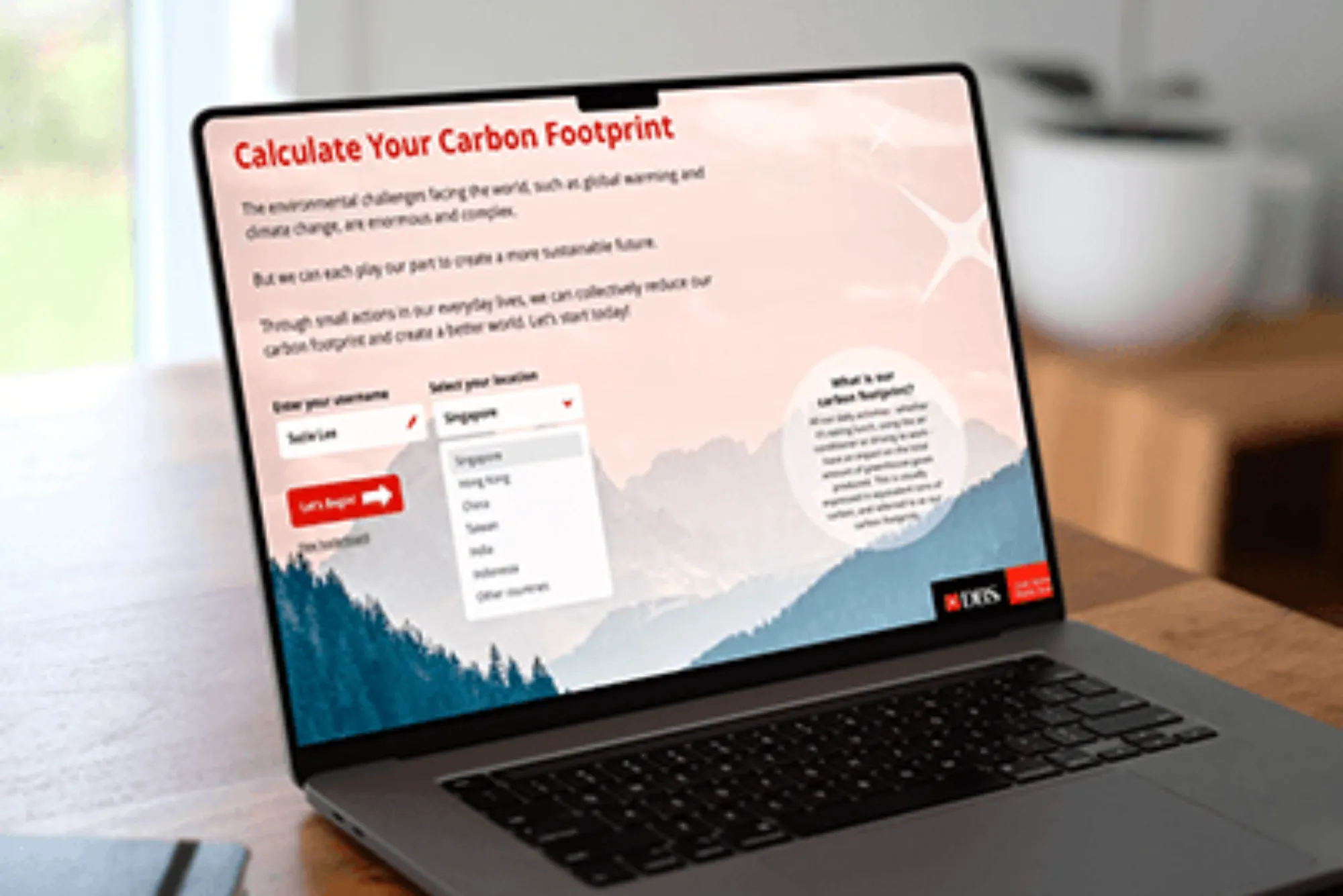
Understanding your carbon footprint is a key first step toward climate responsibility in the UAE, Pakistan, and beyond. A carbon footprint calculator is an accessible tool that helps individuals and organisations measure their environmental impact with data you already have. In this comprehensive guide, we break down how these tools work, why they matter, and how you can use them to make smarter, greener choices — whether you’re living in Dubai’s bustling emirates or in Lahore and Karachi.
What Is a Carbon Footprint?
Quick Answer: It’s the total greenhouse gases you produce through daily activities.
A carbon footprint measures the amount of greenhouse gases — mainly carbon dioxide (CO₂) — released by your actions over a set period, usually a year. It includes emissions from transportation, energy use, diet, waste, and lifestyle habits. Different calculators can measure personal, household, or business emissions, all expressed in tonnes of CO₂ equivalent (tCO₂e). (sustainabilityglobal.org)
How Does a Carbon Footprint Calculator Work?
Quick Answer: It converts your activity data into emission results using standard emission factors.
At its core, a carbon footprint calculator collects user‑provided inputs — such as miles driven, electricity use, and travel — and applies scientifically established emission factors to estimate total emissions. Most modern tools follow global standards like the Greenhouse Gas Protocol to ensure accuracy and comparability. (ecobiomanager.com)
Here’s a simple step‑by‑step:
-
Input Data: Enter your personal data (e.g., energy bills, travel distances).
-
Apply Emission Factors: Multiply each activity by estimated emissions per unit.
-
Aggregate Results: Add up all emissions to get your annual carbon footprint.
-
Provide Insights: Tools often offer suggestions for reduction.
These calculators help quantify complex environmental impacts in a way that’s both understandable and actionable.
Why You Should Calculate Your Footprint
Quick Answer: It helps you identify high‑impact areas and reduce emissions.
Knowing your footprint gives you a baseline to take meaningful action. This isn’t just about awareness — it’s about strategy. For example:
-
Prioritising clean energy over fossil fuels.
-
Choosing efficient transportation.
-
Adjusting diet and consumption habits.
By highlighting your biggest emission sources, these calculators guide targeted changes. Personalised results often motivate lifestyle shifts far more effectively than generic advice.
Core Components of Calculators
Quick Answer: They focus on transport, energy, diet, and lifestyle activities.
Most carbon calculators evaluate these major categories:
-
Transportation: Driving, flights, commute patterns.
-
Energy: Electricity, natural gas, and fuel consumption.
-
Diet & Lifestyle: Food choices and waste generation.
-
Household & Consumption: Size of home, appliances, recycling habits.
Each category has unique emission factors — for example, flights typically carry higher CO₂ per mile than driving. This breakdown helps users see which parts of life contribute most to emissions. (ecocalc.org)
How Carbon Footprint Calculators Help Decision‑Making
Quick Answer: They turn abstract data into actionable insights.
A calculator doesn’t just give a number — it highlights opportunities to reduce emissions. For example:
-
Switching to renewable energy at home or office.
-
Reducing car use or opting for public transport.
-
Selecting plant‑based meals more often.
These tools can also benchmark your footprint against regional averages, making your results more relevant locally and encouraging incremental improvements over time.
Best Practices When Using a Calculator
Quick Answer: Use accurate, contextual data for reliable results.
To get meaningful results:
-
Gather utility bills for energy use.
-
Note annual travel distances for cars and flights.
-
Record dietary patterns and waste habits.
-
Input realistic lifestyle data instead of estimates.
Accurate input leads to better outputs — and that’s the basis for real climate action.
Apps & Resources for UAE and Pakistan
Quick Answer: Several tailored initiatives support regional carbon tracking.
In the UAE, government and private efforts are expanding access to carbon measurement tools. For example, national initiatives tied to UAE Net Zero by 2050 aim to provide calculators for sectors like hospitality, encouraging reporting of energy and water consumption in standard units like kgCO₂e. (zawya.com)
In Pakistan, tailored calculators have been introduced to account for local energy consumption, transport, and lifestyle patterns, helping households across major cities understand their climate impact.
By using tools designed for your region, results are more accurate and actionable.
How To Use a Carbon Footprint Calculator Today
Quick Answer: Start with simple inputs to measure and reduce your emissions.
If you want to explore your impact with a user‑friendly and comprehensive tool, try the carbon footprint calculator at which breaks down your emissions and offers tailored tips for reduction.
To broaden your sustainability habits across digital activities and daily life, calculate smarter with Needs Calculator atfor additional environmental and planning tools.
Expert Insight
“Reliable carbon footprint tools turn data into decisions — they empower users with clear metrics and reduction strategies grounded in global standards.” — Environmental Analyst, Climate Action Council
Tools grounded in emission science are vital for credible climate action.
FAQs
1. What data do I need to calculate my carbon footprint?
You’ll typically need energy bills, transportation details, and lifestyle information such as diet and waste. More precise data yields more accurate results.
2. Are carbon footprint calculators scientifically valid?
Yes, reputable tools use global standards like the Greenhouse Gas Protocol and data from government and research institutions.
3. Can businesses use carbon footprint calculators?
Absolutely — businesses use these tools to track Scope 1 and Scope 2 emissions and plan sustainability strategies.
4. How often should I calculate my footprint?
Annual calculations are standard, but doing it more often helps track progress and reinforce sustainable habits.
5. Do calculators offer reduction tips?
Most reputable tools include tailored suggestions based on your high‑impact areas.
6. Are there local calculators for Pakistan or the UAE?
Yes, region‑specific tools account for local energy mix and patterns, which improves accuracy.
7. Can a carbon footprint be reduced to zero?
Complete elimination (net zero) may be challenging, but significant reductions and offsets make net‑zero feasible over time.
Final Thought
As someone who has lived and worked across the UAE and South Asia, I’ve seen both grassroots and policy‑level climate initiatives take shape. Carbon footprint calculators are a powerful starting point — they demystify complex emissions data and translate it into real choices for everyday life. Whether you’re in Abu Dhabi, Dubai, Lahore, or Islamabad, taking the first step to calculate and understand your footprint can inspire meaningful change — environmentally and economically. I encourage you to use these tools not just once, but as part of a continual journey toward sustainability.