
Introduction
Choosing the Best Orthopedic Dog Ramps for Beds and SUVs: Preventing Joint Strain in Senior Dogs can make everyday movement easier for an aging pet. Senior dogs often become less flexible as they age. Jumping onto beds or climbing into SUVs can then become uncomfortable or risky.
A suitable dog ramp creates a gradual path between the ground and a higher surface. This can reduce the need for sudden jumping and awkward landings. It can also give older dogs more independence around the home and during travel.
However, not every ramp is suitable for a senior dog. Ramp length, surface traction, width, stability, and weight capacity all matter. The right design should match your dog’s size, mobility, and intended use.
Why Senior Dogs May Need an Orthopedic Dog Ramp
Aging can change the way dogs move. Some senior dogs become slower when standing, walking, climbing, or jumping. Others may show stiffness after resting or avoid furniture they previously used without difficulty.
These changes can make jumping particularly challenging. A dog may need to push harder with its back legs before reaching a bed or vehicle. Landing can also place sudden forces through the limbs and joints.
An orthopedic dog ramp offers a different approach. Instead of requiring a vertical jump, it creates a gradual incline. This allows the dog to walk upward at a controlled pace.

Ramps are particularly useful when a dog regularly accesses elevated surfaces. Beds, couches, vehicle cargo areas, and SUV entrances are common examples. Mobility-support modifications can also be useful for dogs experiencing osteoarthritis.
How the Best Orthopedic Dog Ramps Help Prevent Joint Strain
The main advantage of an orthopedic dog ramp is reducing repeated jumping. A senior dog may still want to sleep beside its owner or accompany the family on car journeys. A ramp can help maintain access without requiring repeated leaps.
A gradual incline distributes the movement across several steps rather than one sudden jump. This can be easier for dogs experiencing stiffness or reduced mobility.
The ramp surface is equally important. A smooth ramp can create another safety problem because an older dog may struggle to maintain traction. Textured, rubberized, or carpeted surfaces can provide better footing when properly maintained.
Stability also matters. A ramp that shifts when a dog steps onto it can create fear and increase the risk of slipping. A sturdy design should remain secure during both ascent and descent.
Best Orthopedic Dog Ramps for Beds
A bed ramp needs to suit the height of the bed and the space available in the room. A ramp that is too short may create a steep incline. A longer ramp can provide a gentler path.
Before choosing a ramp, measure the distance from the floor to the top of the mattress. Then consider where the ramp will sit when your dog uses it.
A narrow bedroom may require a folding or telescoping design. However, portability should not come at the expense of stability.
For senior dogs, the walking surface deserves special attention. Your dog should be able to place each paw securely without sliding. Side edges or raised borders can also provide additional confidence for dogs that feel uncertain on elevated surfaces.
The best orthopedic dog ramps for beds should therefore combine an appropriate incline, dependable traction, sufficient width, and strong construction.
Best Orthopedic Dog Ramps for SUVs
SUVs create a different challenge because the entry point can be considerably higher than a bed. A ramp for vehicle use must therefore provide enough length to create a manageable incline.
A portable ramp can be especially useful for families who travel frequently. Folding and telescoping designs can make transportation easier because the ramp can be stored in the vehicle between trips.
Weight capacity is another important consideration. The ramp must safely support your dog’s body weight without bending or becoming unstable.
Vehicle placement should also be checked carefully. The upper end needs secure contact with the vehicle. The lower end should sit firmly on the ground without rocking.
Never assume that a ramp is safe simply because it supports the stated weight. The surface, locking mechanism, hinges, and overall condition should also be checked before every use.
What to Look for in an Orthopedic Dog Ramp
The best orthopedic dog ramps are designed around the needs of the individual dog. Start with your dog’s weight and body size. A large senior dog needs a wider and stronger structure than a small companion.
Ramp length is equally important. A longer ramp generally creates a gentler incline for the same height. A commonly suggested range for some beds and vehicles is around five to six feet, but the correct length depends on the actual rise and available space.
Traction should never be overlooked. Senior dogs may have reduced balance or slower reactions. A non-slip surface can provide greater confidence and help reduce accidental sliding.
The ramp should also be wide enough for your dog to walk comfortably. A dog that feels squeezed against the edges may become nervous and refuse to use it.
Finally, consider portability and storage. A ramp used at home can be heavier and more permanent. A vehicle ramp may need to fold or telescope for convenient transportation.
Ramp Versus Stairs for Senior Dogs
Many owners wonder whether ramps or stairs are better for aging dogs. The answer depends on the individual dog’s mobility, size, confidence, and environment.
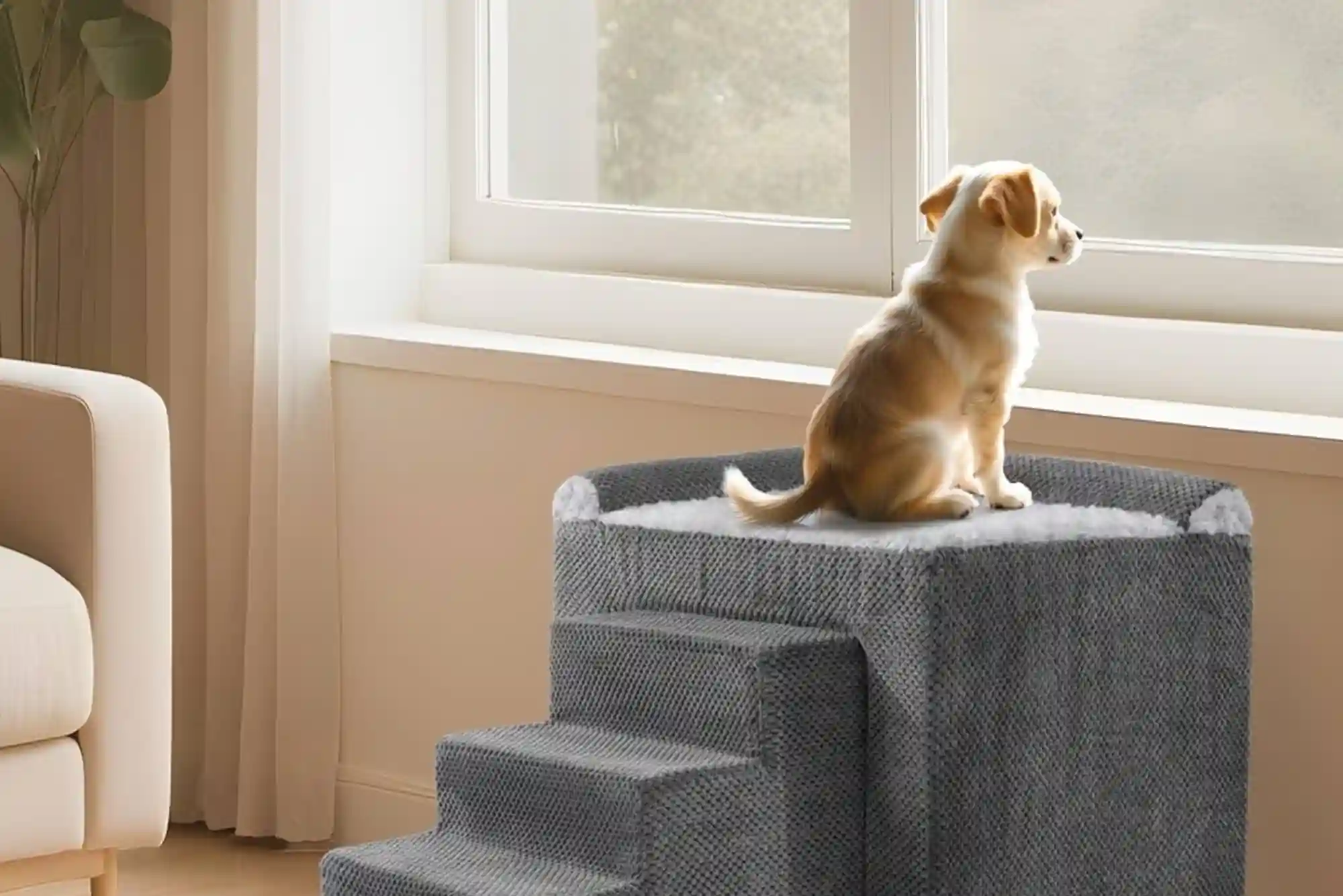
Stairs require repeated stepping and lifting of the body. A ramp replaces those individual steps with a continuous incline. This can be helpful for dogs that struggle with climbing or have mobility limitations.
Ramps also require more floor space. That can make them less practical in small bedrooms or narrow areas.
For a dog with significant mobility difficulties, a gradual ramp may be easier to manage than conventional stairs. However, every dog is different. A veterinarian or veterinary rehabilitation professional can help assess your dog’s specific movement needs.
How to Teach a Senior Dog to Use a Ramp
Even the best orthopedic dog ramp may require training. Some dogs immediately understand how to use a ramp. Others may initially find the unfamiliar surface confusing.
Start by placing the ramp on a flat surface. Let your dog investigate it without pressure. Reward calm interaction with praise or a small treat.
Once your dog is comfortable, encourage a few steps across the ramp. Keep the sessions short and positive. Avoid pulling your dog onto the ramp because this can create fear.
After your dog confidently walks across the flat ramp, introduce a small incline. Increase the height gradually as confidence improves.
Positive reinforcement and gradual exposure are commonly recommended when teaching dogs to use ramps.
Common Mistakes When Using Dog Ramps
One common mistake is selecting a ramp that is too short. A short ramp may produce a steep incline that makes climbing difficult. Measuring the required height before purchasing can prevent this problem.
Another mistake is ignoring traction. Even a sturdy ramp becomes unsafe if your dog’s paws slide across its surface.
Owners should also avoid placing a ramp on an unstable surface. Movement at either end can frighten a dog and increase the chance of an accident.
Weight capacity is another important consideration. A ramp should comfortably support the dog’s weight rather than operating close to its maximum limit.
Finally, inspect the ramp regularly. Hinges, joints, traction material, and support components can wear over time. Replace or repair damaged parts before continued use.
Making Bed and SUV Access Safer for Senior Dogs
A ramp works best as part of a broader mobility-friendly environment. At home, slippery floors can make movement harder for older dogs. Non-slip rugs or runners can provide additional traction around frequently used areas.
The sleeping area should also be comfortable and easy to access. Keep the ramp positioned consistently so your dog learns where it is.
For SUV travel, make sure the vehicle is parked securely before setting up the ramp. Check the ramp’s connection with the vehicle and confirm that the bottom is stable.
Allow your dog to move at its own pace. Pulling or rushing a senior dog can increase anxiety and cause awkward movements.
If your dog suddenly stops using a ramp it previously enjoyed, pay attention. A change in mobility, discomfort, or confidence may require professional evaluation.
When Should You Consider a Dog Ramp?
There is no single age when every dog needs a ramp. Some dogs remain highly mobile well into old age. Others experience mobility changes earlier because of their size, breed, previous injuries, or individual health circumstances.
A ramp becomes particularly useful when jumping starts to look uncomfortable or when your dog hesitates before getting onto furniture or into a vehicle.
Other signs can include slower movement, difficulty rising, reluctance to climb, or changes in normal activity. These signs should not automatically be attributed to normal aging.
If mobility changes appear suddenly or continue to worsen, speak with your veterinarian. A ramp can support safer movement, but it should not replace appropriate veterinary care.
Frequently Asked Questions About Orthopedic Dog Ramps
Are ramps safer than stairs for dogs?
Ramps can be a useful option for dogs with mobility difficulties because they replace individual steps with a gradual incline. They can reduce the need for jumping and may be easier for some senior dogs. However, safety depends on the ramp’s slope, traction, stability, and correct use.
What type of ramp is best for older dogs?
A suitable senior dog ramp should have a gradual incline, strong construction, adequate width, and a reliable non-slip surface. The ramp should also support your dog’s weight comfortably. Longer ramps can create a gentler incline when sufficient space is available.
How do I choose the right ramp for my dog?
Start by measuring the height your dog needs to reach. Then consider ramp length, width, weight capacity, traction, and stability. The intended location also matters because a home ramp and an SUV ramp may have different requirements.
How do I train my dog to use a ramp?
Introduce the ramp gradually and allow your dog to investigate it first. Reward calm behavior and walking across the surface. Once your dog becomes comfortable, slowly introduce an incline. Patience and positive reinforcement can make the process easier.
Can dog ramps be used for cars?
Yes, many dog ramps are designed specifically for vehicle access. Portable, folding, and telescoping models can be useful for SUVs. Always check the ramp’s weight capacity and secure positioning before allowing your dog to climb.
Conclusion
The Best Orthopedic Dog Ramps for Beds and SUVs: Preventing Joint Strain in Senior Dogs should provide more than convenient access. A well-designed ramp can reduce jumping, improve confidence, and make everyday movement easier for an aging companion.