
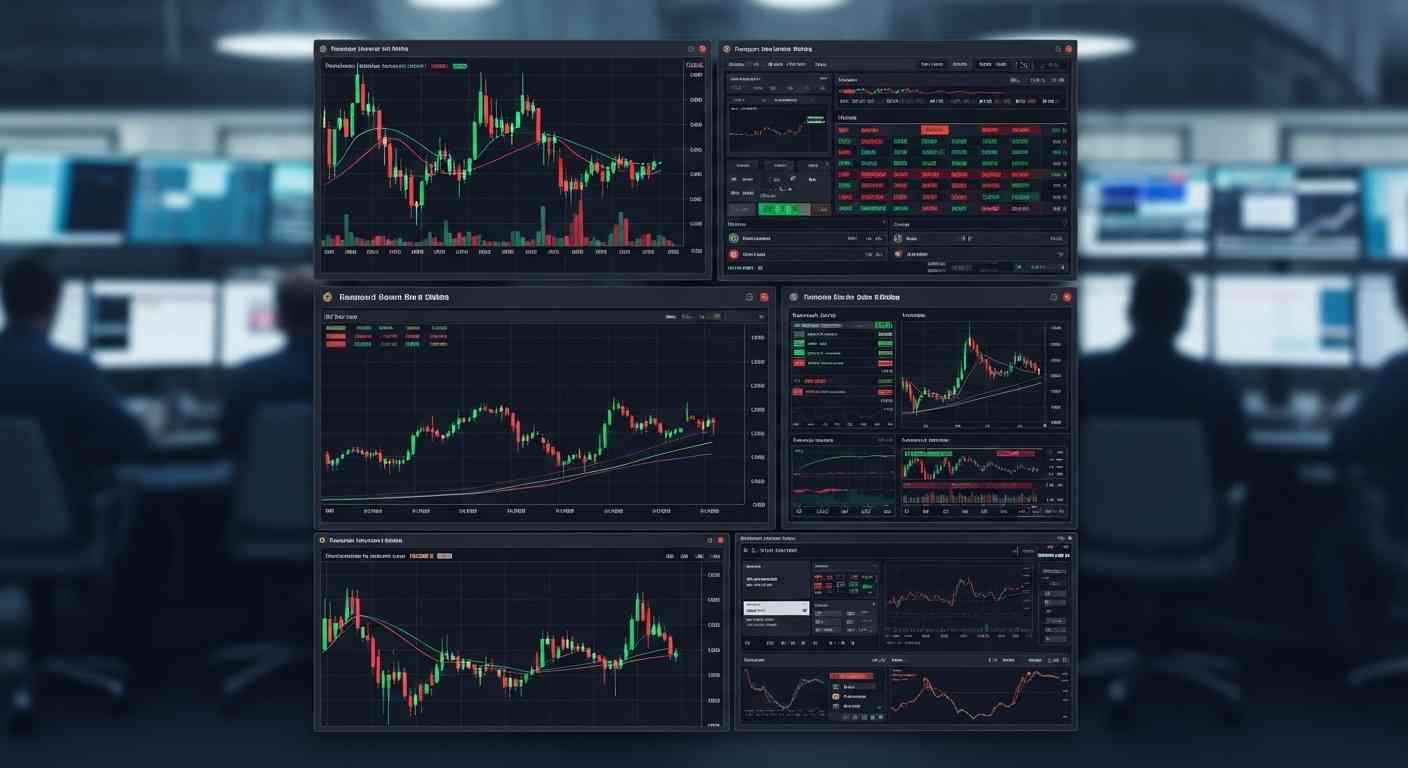
The retail trading landscape has evolved significantly over the last decade, driven by advances in digital infrastructure and increasing accessibility of complex financial instruments. Modern trading platforms no longer function as mere order entry systems; they now integrate sophisticated analytics, real-time market data, and liquidity aggregation. This shift has blurred the lines between institutional-grade and retail-level execution capabilities, offering new opportunities while introducing heightened expectations for performance and reliability.
Traders today demand low-latency access, robust charting tools, and seamless multi-device support. Market participants are increasingly evaluating platforms not solely on spreads or fees, but on their technological backbone and risk protocols. This dynamic has elevated the importance of rigorous platform assessment before capital deployment, emphasizing both efficiency and safety.
Regulatory Infrastructure
Licensing and regulatory compliance form the cornerstone of platform credibility. A well-regulated broker ensures client fund segregation, independent audits, and adherence to anti-money laundering (AML) and know-your-customer (KYC) procedures. Such frameworks are crucial for mitigating counterparty risk and providing assurance against operational failures or insolvency events.
Global regulators differ in standards and enforcement, making cross-border comparisons complex. Platforms with multi-jurisdictional oversight typically demonstrate higher operational transparency. For traders, understanding these regulatory structures is essential in aligning platform choice with both security expectations and trading objectives.
The Latency Equation
Execution speed remains a critical differentiator in modern trading platforms. Millisecond-level latency can materially impact order fills, particularly in volatile markets or when employing algorithmic strategies. Slippage—the difference between expected and executed price—can erode profitability, emphasizing the need for robust connectivity and optimized server infrastructure.
High-frequency liquidity providers and market makers rely on a combination of co-located servers and direct market access to minimize execution delays. Retail platforms adopting similar strategies can enhance user outcomes by offering faster and more predictable fills, although this requires significant investment in backend architecture. Traders should monitor average execution times and historical slippage data as part of due diligence.

“Institutional-grade execution is no longer exclusive to Wall Street; platforms like Pocket Option platform are bridging the gap for retail traders through low-latency aggregation.”
User Experience Protocols
Modern trading platforms prioritize intuitive navigation and data visualization. Interactive charting, multi-timeframe analysis, and customizable indicators allow traders to make informed decisions quickly. Mobile responsiveness ensures that critical order management and monitoring can occur seamlessly across smartphones, tablets, and desktops without compromising functionality.
UX design also incorporates account management tools, educational resources, and integrated support channels. Platforms that combine functionality with accessibility reduce operational errors and improve adherence to trading strategies. Assessing platform ergonomics should extend beyond aesthetics, focusing on speed, consistency, and reliability of user interactions.
Risk Management Features
Robust risk controls are a non-negotiable aspect of responsible trading platforms. Features such as negative balance protection prevent traders from exceeding their capital allocation, while automated stop-loss and take-profit orders enforce discipline under volatile conditions. These tools provide a structural safeguard against unpredictable market swings.
Advanced platforms may also offer margin monitoring, exposure alerts, and position limits to further mitigate systemic and individual risk. For retail traders, understanding the mechanics and limitations of these controls is critical. Effective risk management is not solely about technology; it also requires trader awareness and proactive strategy implementation.
Step-by-Step Due Diligence Protocol
- Verify regulatory licenses and compliance history.
- Analyze average execution latency and slippage statistics.
- Test charting tools, mobile interface, and order entry responsiveness.
- Review risk management features including stop-loss, margin limits, and negative balance protection.
- Assess transparency of liquidity sources and backend infrastructure.
- Confirm availability of support and educational resources for decision-making.
Future Outlook
Looking forward, AI and automation are poised to reshape trading platform capabilities by 2026. Predictive analytics, adaptive risk engines, and automated trade execution will become increasingly integrated into both retail and professional systems. These technologies promise enhanced efficiency, but they also require careful oversight to avoid over-reliance and unintended exposure.
Platforms that successfully balance automation with transparency, speed, and user empowerment will likely lead the next phase of market evolution. Traders must remain vigilant in evaluating technological upgrades against strategic objectives, ensuring that new tools complement rather than replace disciplined decision-making.
Related Reading: Hurry Up! Houses for Sale in Antalya – Secure Before Gone!
Related Reading: How Do Instant Payday Loans UK Work Behind the Scenes?
Related Reading: Why Advanced Gold Detection Is Essential for Accurate Prospecting
Related Reading: Can I Get IPTV on Roku tv
Related Reading: Greenhouse Temp Calculators: Worth It or Not — full guide
Related Reading: Why Reliable Proxy Services Are Essential in Today’s Digital World — full guide
Related Reading: What Smart Shoppers Know That You Might Not — The Secret to Everyday Savings — full guide
Related Reading: Can CRM Support Multi-Client Tracking?